

You have met with your bank and your lawyer, you’ve signed all of the paperwork and now settlement day has arrived. Here is what a purchaser can expect a settlement day to look like in a residential property purchase.
Considering a house and land package? Here are some things to consider.
When buying a new build property, it’s important to understand the different contract structures available. In this article we explain the two main options—turnkey contracts and contracts with progress payments—and how to choose the right one for your situation.
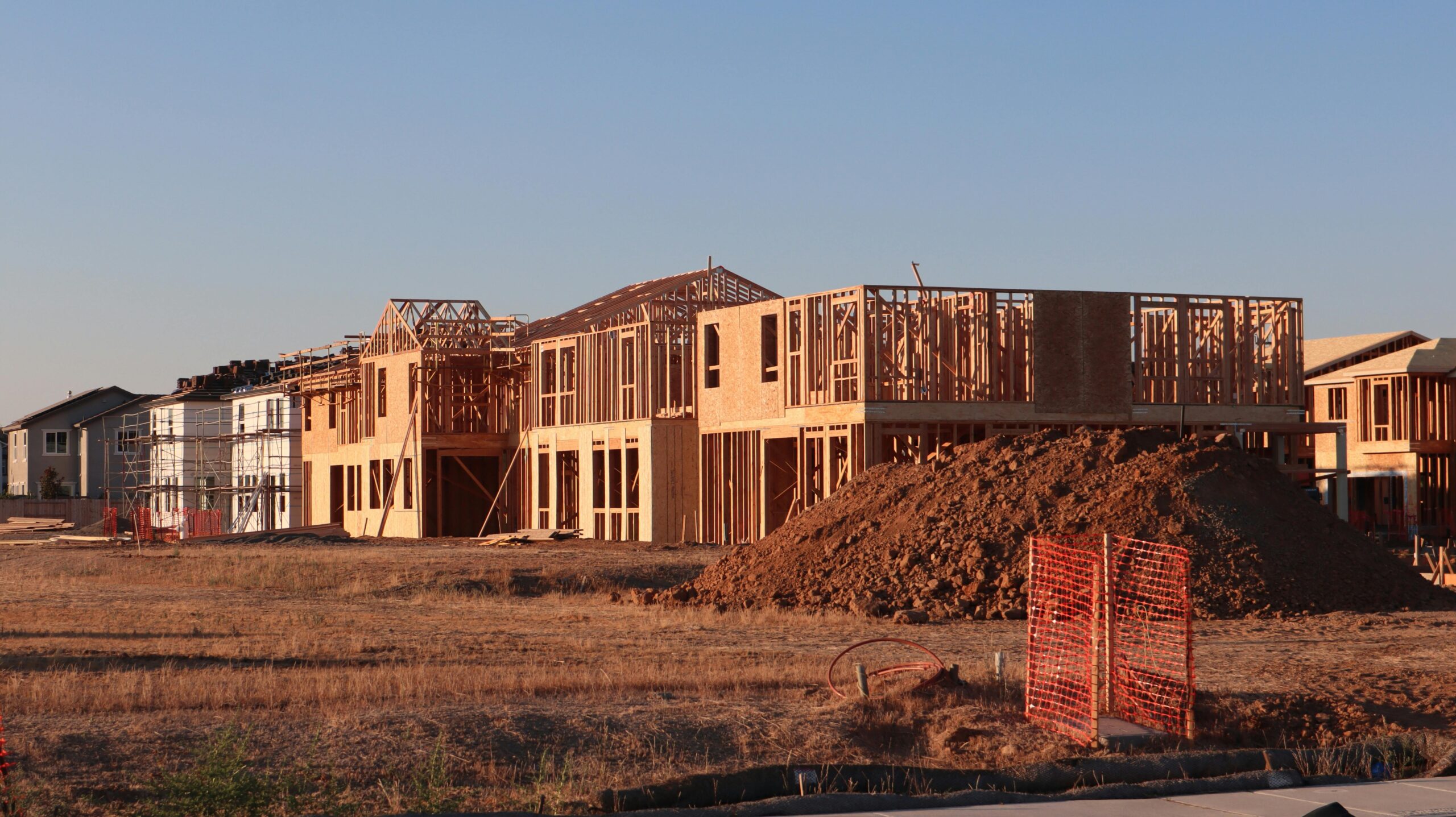
When buying a new build property, it’s important to understand the two main contract options: turnkey contracts and contracts that include progress payments. Each have their own advantages, and the right choice depends on your needs and preferences.
Turnkey contracts
A turnkey contract means you buy a finished property, from a building company or developer. You sign a sale and purchase agreement for a completed home, often before it’s built often part of a house and land package. In this type of contract, the building company or developer will handle everything, from design and approvals to construction and fit-out. Once the property is ready, you pay the balance of the purchase price (less the deposit already paid), and move in.
Key features of a turnkey contract are:
- Simple process: The building company or developer manages the whole build, so there is less paperwork and fewer decisions for you.
- Move in ready: The property is delivered fully completed and ready to live in.
What you should consider before entering a turnkey contract:
- Limited customisation: You might have less say over the design and finishes. If variations are made (which the builder will need to agree to), these often must be agreed in writing and will be invoiced on top of the fixed price contract and can be expensive.
- Potential for higher price: Builders and developers take on more risk and therefore may require a higher purchase price.
- Check the details: Not all turnkey contracts include extras like landscaping, fencing or window coverings. It is important that you check the contract as to what is being included, and what works you might still be required to complete once the build is completed.
- Land ownership: Often in a turnkey contract, you will not own the land the property is being built on until the settlement date, meaning despite having contributed funds towards purchasing a property, you will not have any registered interest until settlement
Progress payment contracts
With a progress payment contract, you will hire a builder to construct your home, sometimes on land you already own, or a purchase of land might be a part of the contract. You pay in stages as the build progresses, such as after design, land purchase, consent, and construction milestones.
Key features of a contract with progressive payments are:
- Greater flexibility: These types of contracts can provide you with the ability to customise the design and choose your own contractors for the build.
- Staged payments: You pay as each phase is completed, such as walls up, roof on and a final balance when a code compliance certificate issues when the house is built. This can help with managing cash flow and the funds invested reflect the work that has been completed.
- More control: You can review budgets and make changes along the way (if agreed with the builder).
- Quality assurance: Issues can be addressed at each stage before moving forward.
What you should consider for a progress payment contract:
- More administration: you often may be required to manage contracts and payments for each stage.
- Less price certainty: particularly if you are customising the build during the process, costs can change if building prices rise or delays occur. It is important you keep clear records of any variations to the contract that are agreed as the build progresses.
Which option Is right for you?
- Turnkey contracts are ideal for buyers who want a simple, hands-off process and price certainty. They suit first home buyers and investors who don’t want to manage the build themselves.
- Progressive payment contracts can be more suited for those who want to customise their home or manage the build in stages. For example, if you already own land or want more control over the process.
It is important to note that with any build contract, there is always an element of risk. It is essential that you keep your solicitor and your lender in the loop as the contract progresses.
We also recommend you contract with a reputable developer and builder. After all, you are trusting them to produce for you a home that not only is likely to be expensive but is usually intended to house your family or provide a springboard for investment. Getting it wrong can be an expensive exercise!
Before signing any contract, it is essential to understand the implications for cost, risk, and control. At Harkness Henry, we have extensive experience advising on different types of construction contracts and can help you consider the option that best suits your goals. Contact us for tailored advice before you commit.
This article is current as at the date of publication and is only intended to provide general comments about the law. Harkness Henry accepts no responsibility for reliance by any person or organisation on the content of the article. Please contact the author of the article if you require specific advice about how the law applies to you.
For further information

Paul Gascoigne

Nicola Oldridge

Patrick Steele
Related Posts


