From 28 May 2026, licensed premises can accept approved digital ID as evidence of age for alcohol purchases. While this is a relatively small regulatory amendment, it represents a significant shift toward digital verification in everyday transactions. Operators will need to make conscious decisions about whether and how to adopt it.
Sale and Supply of Alcohol (Improving Alcohol Regulation) Amendment Bill: What it means for licence holders
Introduced to Parliament on 16 March 2026, the Sale and Supply of Alcohol (Improving Alcohol Regulation) Amendment Bill recalibrates New Zealand’s alcohol licensing framework. While retaining its harm‑minimisation focus, the Bill addresses long‑standing concerns about cost, delay, and uncertainty for licence holders. This article outlines the key changes and their practical implications.
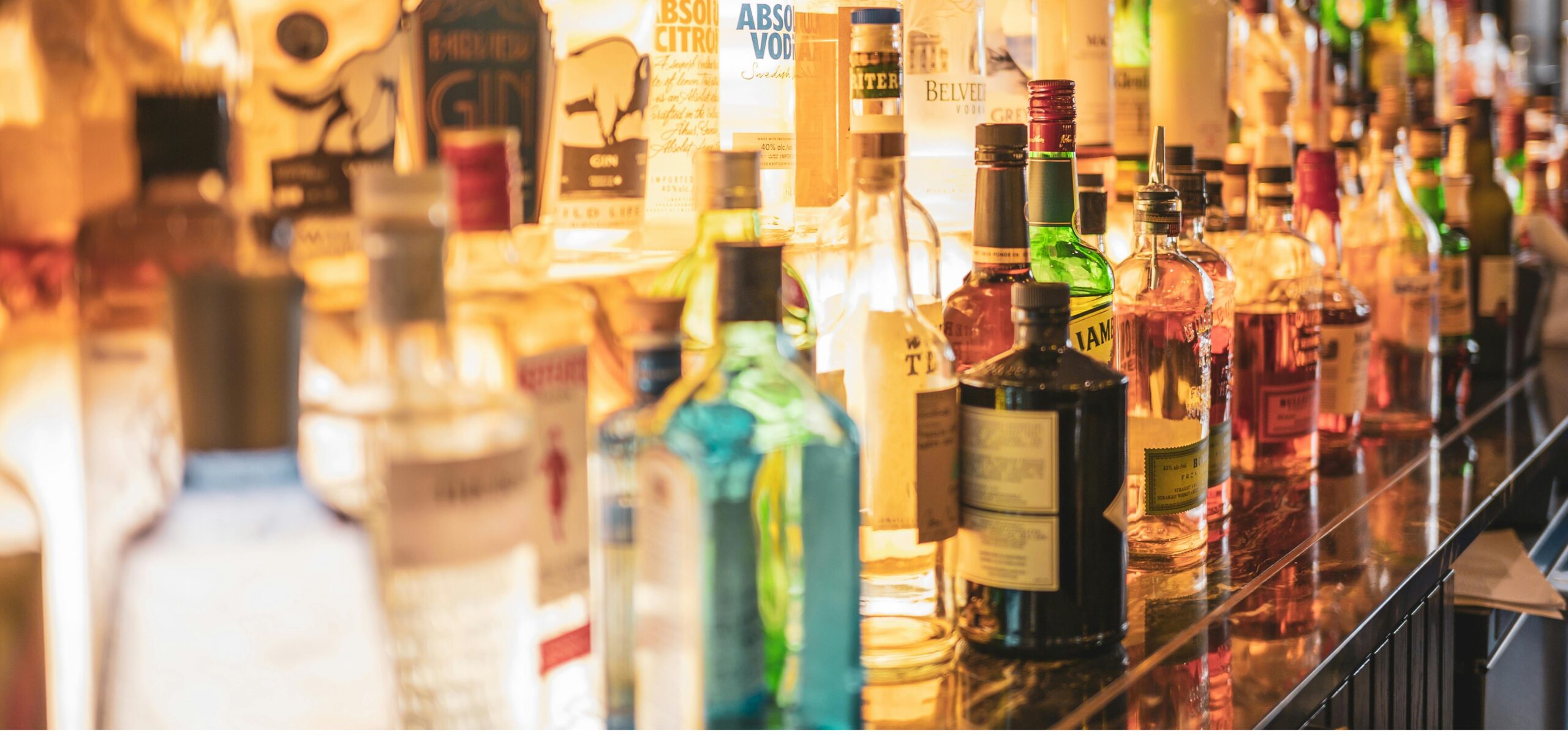
The Sale and Supply of Alcohol (Improving Alcohol Regulation) Amendment Bill (Bill), introduced to Parliament on 16 March 2026, represents a significant recalibration of New Zealand’s alcohol licensing framework. While the Bill preserves the core statutory objective of minimising alcohol‑related harm, it directly responds to long‑standing concerns raised by licence holders about cost, delay, and uncertainty in the licensing process.
From a legal and regulatory perspective, the Bill reflects a more proportionate approach to alcohol regulation—one that recognises the realities of operating licensed businesses while maintaining appropriate safeguards.
Limiting objections to the local community
A key reform is the tightening of who may object to licence applications and renewals. Objections will now need to come from individuals with a genuine connection to the local community in which the premises operates, rather than from anywhere in New Zealand.
For licence holders, this is a practical and overdue change. In our experience advising clients through licensing applications and renewals, objections from individuals with no connection to the area frequently add cost and delay without meaningfully contributing to harm‑reduction outcomes. Refocusing the process on local concerns improves both fairness and efficiency.
A right of reply for applicants to objections
The Bill also introduces a new procedural step allowing licence applicants to file a formal right of reply to any objections filed. Any reply will then form part of the Licencing Committee’s consideration as to whether a public hearing is required for the application. It is hoped that this will give licensing committees more confidence to determine matters on the papers rather than putting applicants to the expense of a hearing when the objections are outside the scope of the Act.
Greater certainty for licence renewals
The Bill provides welcome clarity that a licence renewal should not be declined solely because it is inconsistent with a newly adopted Local Alcohol Policy. Instead, District Licensing Committees must consider whether conditions can be amended to achieve alignment.
For existing licence holders, this reduces the risk that compliant, well‑run businesses are unfairly penalised by policy changes introduced after their licence was originally granted. It also provides greater confidence for long‑term investment and business planning.
Increased flexibility for hospitality and events
The Bill streamlines the special licence regime and introduces a risk‑based framework for events. This is particularly beneficial for venues and organisers that regularly host low‑risk functions but are currently subject to the same level of scrutiny as higher‑risk events.
The ability to authorise screening of significant televised events outside normal trading hours, without repeated legislative or licensing workarounds, also provides hospitality operators with greater commercial flexibility while retaining appropriate oversight.
Modernising product and display requirements
The Bill modernises outdated requirements by allowing zero‑alcohol beverages to satisfy obligations previously limited to low‑alcohol products. This aligns the legislation with contemporary consumer behaviour and removes unnecessary compliance costs for licence holders forced to stock products with little demand.
Licensed supermarkets and grocery stores will be permitted to display zero‑alcohol alternatives to spirits and ready‑to‑drink products within the designated single alcohol areas. Currently only alcoholic products can be displayed within these areas. This offers sensible merchandising flexibility without undermining harm‑reduction objectives.
Expanded opportunities for producers and mixed‑use premises
Extending winery‑style licensing provisions to breweries, distilleries, and similar producers corrects an inconsistency that has long existed in the Act. Allowing dual on‑ and off‑licensing and the ability to charge for tastings supports innovation and growth in the domestic beverage sector.
Similarly, allowing restaurants operating retail food components on the same premises to hold both on‑ and off‑licences reflects modern hospitality models and removes artificial regulatory barriers.
Clearer compliance for delivery and Digital ID
Clarifying responsibilities for rapid alcohol delivery services improves compliance certainty for licence holders and helps ensure that third‑party delivery does not undermine host responsibility obligations. Drivers must ensure that a person who is not a minor, and not intoxicated receives the delivery.
The move toward recognising accredited digital identification is also a pragmatic step that will make age‑verification more reliable and efficient over time.
Our Perspective as Alcohol Licensing Specialists
As specialists who regularly advise licence holders across hospitality, retail, manufacturing, and events, we support the direction of these reforms. The Bill does not dilute the harm‑minimisation purpose of the Sale and Supply of Alcohol Act. Instead, it restores proportionality, improves procedural fairness, and removes regulatory friction that has little connection to actual alcohol‑related harm.
A notable omission from the Bill is the reinstatement of the right of cross-examination that was removed by the Sale and Supply of Alcohol (Community Participation) Amendment Act 2023. Our experience suggests that without the ability to test evidence, there is an increased risk that unchallenged or incomplete evidence may be given undue weight.
The cost for applicants in dealing with objections and attending hearings is significant and can be incredibly stressful. In our view, the proposed changes strike a more workable balance between community protection and commercial reality. For responsible licence holders, the Bill offers greater certainty, fairer processes, and rules that better reflect how alcohol is sold and consumed in New Zealand today.
This article is current as at the date of publication and is only intended to provide general comments about the law. Harkness Henry accepts no responsibility for reliance by any person or organisation on the content of the article. Please contact the author of the article if you require specific advice about how the law applies to you.
For further information

Anna Suckling

Sarah Rawcliffe
Related Posts